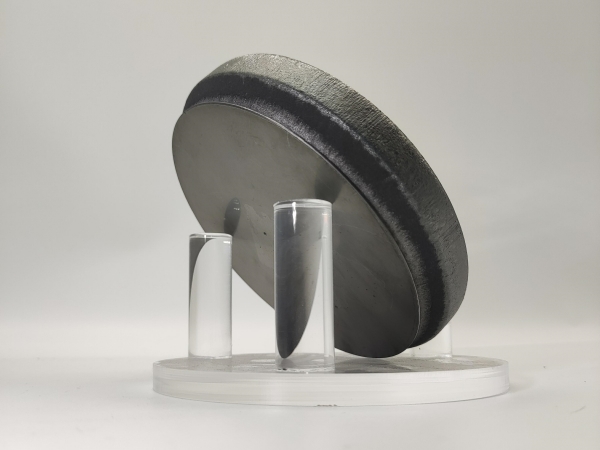
Silicon carbide (SiC) substrates have emerged as a promising material in the field of renewable energy technology, specifically in solar cells and power electronics. Here's a closer look at their applications:
Solar Cells: SiC has a wide bandgap and high thermal conductivity, which makes it an ideal substrate material for high-efficiency solar cells. SiC can be used as a substrate for gallium nitride (GaN) and indium gallium nitride (InGaN) thin films, both of which have demonstrated high conversion efficiencies in solar cell applications. These high-efficiency solar cells have the potential to significantly reduce solar panel costs and increase overall solar power generation.
Power Electronics: SiC substrates are also used in power electronics for renewable energy applications such as wind and solar power conversion systems. SiC-based devices, such as metal-oxide-semiconductor field-effect transistors (MOSFETs) and Schottky diodes, offer lower power loss and higher efficiency than traditional silicon-based devices. SiC devices can also operate at higher frequencies and temperatures, making them well-suited for harsh environment applications.
Furthermore, SiC substrates have found applications in electric vehicles, where they contribute to high-efficiency and high-power density. As we continue to push for cleaner and more sustainable energy technologies, SiC substrates are expected to become more prevalent in renewables and other high-tech industries.
1. Product Positioning: Ga₂O₃ Single-Crystal Substrates – Core Carrier for Ultra...
1. Core Product Advantages: Self-Developed Sapphire Substrates for Low-Cost Ga₂O₃ Epit...
Polytype competition has long been the core bottleneck restricting the stable growth of ...